The World According to Arlene

Tuesday, July 24, 2018

Ask Arlene about Caraway Seed Cake

Caraway Seed Cake Surprises, Delights & Treats Us©

By Arlene Wright-Correll

We all know the many uses of Caraway Seeds.    

Besides putting them in Breads, Caraway seeds can be freshen breath and its essential oil is found in many mouthwashes, toothpastes and chewing gums. It is used in several liquor recipes and to improve the flavor of various complementary herbal combinations.

Many of us know about using them in pickling, salad dressing, sauerkraut, cold slaw or cabbage salad, and I especially love them in rye bread, but how about a cake?

Caraway Seed Cake


A hint of citrus added to a traditional seed cake.

Ingredients:

3 cups sifted unbleached flour,
2 ½ teaspoons double acting baking powder
1/2 teaspoon nutmeg
1 teaspoon salt
2/3 cup butter or shortening
2 cups sugar
4 eggs
2 tablespoons grated orange rind
1 tablespoon grated lemon rind
1 cup milk
1 tablespoon caraway seeds
1 tablespoon poppy seed
1 tablespoon aniseed

Directions:

Grease and flour 10-inch tube cake. Sift together flour, baking powder, nutmeg and salt. Blend together butter or shortening and sugar, creaming well. Add eggs, one at a time. Beat 1 minute after each. Blend in orange and lemon rind; mix thoroughly. Measure milk; add alternately with the dry ingredients to creamed mixture, beginning and ending with dry ingredients. Blend thoroughly after each addition.

Spread one-fourth of batter in 10-inch tube pan, well greased and lightly floured on bottom only. Sprinkle with caraway seeds. Alternate remaining batter with poppy seed and aniseed, ending with batter on top. Bake at 350 degrees F 75 to 80 minutes. Let cool in pan 15 minutes before turning out. Frost while slightly warm.

Fruit Juice Glaze:

Combine 1 ¼ cups sifted confectioners’ sugar, 3 tablespoons orange juice or lemon juice. Beat until well blended

May the Creative Force be with you,

Arlene Wright-Correll

HomeFarm Herbery LLC

Labels: , , ,

Friday, July 20, 2018

Ask Arlene about French Tarragon©


Ask Arlene about French Tarragon©

By Arlene Wright-Correll


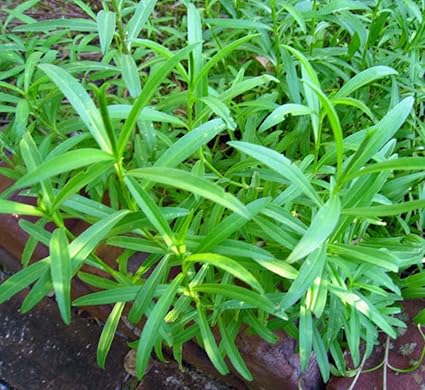
The photo above is fresh French tarragon.  

You can easily grow some in a pot on your patio or just in your yard.

Though this herb is native to Siberia and western Asia, tarragon is primarily used in France


We grow great French Tarragon at Home Farm Herbery where it's often added to white wine vinegar, lending sweet, delicate licorice-like perfume and flavor. It pairs well with fish, omelets, and chicken cooked with mustard, and it's a crucial component of béarnaise sauce. French tarragon isn't always easy to find, but when you get it, you'll love the bittersweet, peppery taste it imparts. 

This is our dried Tarragon.. 


It is easy to grow and you can get the seeds at most places and we have heirloom tried and true seeds at Home Farm Herbery. 

It is interesting to know that heat diminishes its flavor, so add tarragon toward the end of cooking, or use it as a garnish. A little goes a long way

Tarragon is a bittersweet herb with a hint of licorice flavor, but too much can overwhelm your recipe.

1 Tablespoon fresh tarragon = 1 teaspoon dried.  

Dried tarragon should be kept in a sealed container in a cool, dark place and used within 1 year. 

Heat greatly intensifies the flavor of tarragon, both fresh and dried.  

Tarragon is also a good herb to use in infused oils. 

Tarragon is a prime ingredient in Béarnaise Sauce and the French favorite herb mixture, fines herbes.

Try some soon and you will be glad you did.

May the Creative Force be with you!

Arlene Wright-Correll


Labels: , , , ,

Sunday, July 15, 2018

Ask Arlene about Basil©


Ask Arlene about Basil©

By Arlene Wright-Correll


Basil’s Latin name is Ocimum sanctum and we grow it here at Home Farm Herbery and we have several types of basil such as Sweet Thai Basil, Christmas Basil, Cinnamon Basil, Lemon Basil, Spicy Bush Basil, Purple Ruffles Basil and Sweet Basil. However I want to talk about Basil Holy Sacred Red.

Basil Holy Sacred Red is an annual that likes to be planted in full sun and it will reach a height of 18” and be about 24” wide.  Its blooms are pink and it blooms in mid-Summer through early fall.

 Often referred to as Tulsi basil this plant is used as both a culinary herb in many Thai dishes and revered as a sacred herb in Hindu culture.

This Basil is more fragile than the Sweet Basil varieties and Holy Basil is prone to wilting easily, so keep well hydrated.

'Holy Red' Basil, also known as 'Sacred Red' is a basil plant with a long tradition of use in Ayurvedic medicine, and a well-known sacred plant of the Indian subcontinent. Among herb plants, Holy Basil has been called the “Incomparable One”, the “Queen of Herbs” and “The Elixir of Life.”

Red Basil, also known as Krishna Tulsi, is a purplish-red strain of Tulsi, identical in growth and culture to its verdant counterpart, Green Holy Basil. Both have spiritual and medicinal value and are sacred to Lord Vishnu, god of preservation. Used as a medicinal herb to prevent colds and flu, this sacred herb has the ability to cleanse the respiratory system of infection. The oil is used as an antioxidant, relieving aches and pains.

Basils are also potent natural pest repellents and wonderful companion plants, and can encourage nearby crops or repel mosquitoes and garden pests.

Holy basil, like any good adaptogen, balances your endocrine system and this herb can help more than some of the others that come highly recommended for stress and adrenal issues.  It is recommended to aid to reduce stress and depression, reduce anxiety and even treat anxiety attacks.

It can promote mental relation and help to treat convulsions.  It is an adaptogen and is used to treat cancer.  It increases strength and endurance and will help you utilize oxygen better.  It promotes protein synthesis and aids digestion. It is said to improve spiritual growth and cerebral circulation.

It will give you clarity of thought and treat your diabetes.  It treats ADHD and ADD while healing wounds faster.  It is used as a pain reducer and can help with kidney stones.  It treats high cholesterol and treats heart disorders.  It can be used for mouth infections, headaches and poisoning.

It will balance your hormones and will treat inflations, colds and sore throats. It will treat coughs, malaria, and reduce fevers. It is good for respiratory health and is used to treat asthma, allergies, bronchitis and arthritis.   It will relieve gas and stomach cramps while promoting eye health and protect vision.  

It can protect against radiation and is a powerful antioxidant. It protects the liver, reduces bad breath, treats insect bites and treats skin problems to say nothing about its uses in enhancing your food and cooking!

Can you imagine one little herb being able to contribute all that to your health no less enhancing your culinary achievements?

Put some Basil Holy Sacred Red in your life now! Home Farm Herbery has lots of Basil seeds and dried Basil.  This is a great plant to start in a small pot or container each year and Home Farm Herbery has lots of basil seeds for you. 

May the Creative Force be with you….

Arlene Wright Correll


Labels: , , , ,

Thursday, July 12, 2018

Ask Arlene about growing Moonflowers©


Ask Arlene about growing Moonflowers©

By Arlene Wright-Correll

A recent email question asks, “Can you tell me about Moonflowers and if they are hard to grow?”


Moonflowers are easy to grow!

Home Farm Herbery grows them here and we save the seed to sell.  The young plants can be trained to climb unto railings, trellises, etc.. They cannot do this alone and you must help them. The planting should be soon after night temperatures are over fifty degrees. Ipomea Alba is a tropical plant and cool nights will stunt or kill young moonflower plants.


Moonflower seeds are large, almost a quarter of an inch and may be brownish to white. To speed germination, each seed should be scratched with sand paper, nail file, or nicked with a knife. This step allows moisture to penetrate the seed. Seeds can be soaked in water for 24 hours or planted directly into pots and watered thoroughly. The seed leaves will begin to break the soil surface in about two weeks. Plants will need to grow in a warm sunny spot until ready for planting outside.

Plant Moonflower vines outside when spring has definitely sprung and the soil and night temperatures are safely in the fifties.  This is time for the moonflowers to be planted. This is in early May here in Kentucky, when it is safe outside for tomato and pepper plants, moonflower will be safe out also. To encourage growth where it is wanted, hanging string will give the young vines support as they grow upwards. To support the rapid growth in early summer and encourage many flowers, just add about three tablespoons for organic fertilizer around each plant. Plants are spaced about one foot apart to insure thick foliage and flowers.

Vines will have to be pinched and tucked back to keep them on the lines, and to keep them from encroaching on patio furniture like kudzu. Flowers begin in late summer and continue until frost. They only come out at night, so that is when their fragrant beauty is worth staying up to experience.

It is easy to care for Moonflower vines.  The plants love sun, so be sure to plant them in partial to full sun.  They are fast-growing vines which love to grow up towards the moon. It is imperative to plant them where they have room to grow and spread.

Luckily, they don’t require the best soil, and can often thrive in places where it is difficult to grow other plants. Moonflowers are highly susceptible to freezing and hard frosts. For this reason, they can be grown from spring to fall. Typically they require little care & attention, and are perfect for beginner to expert growers. Just be sure to tuck and pinch back the vines if they start to overgrow the areas you want them in or they will be all over the place.

May the Creative Force be with you!

Arlene Wright-Correll


Labels: , , ,

Saturday, July 07, 2018

Ask Arlene about shallots ©


Ask Arlene about shallots ©

By Arlene Wright-Correll

A recent email question asks, “I want to try and plant some shallots. Can you help me?”


It is always best to plant in the fall because fall-plantings yield twice as much. Protected by a good mulch and snow cover, shallots, have survived minus 25°F. The exact time to plant must be learned by experience. What you want is for your bulbs to establish a good strong root system, but not to make much, if any, tender top growth before the ground freezes.

Normally, planting 4-6weeks before hard winter comes is just about right. The top growth may appear to make a few inches of growth and die back during winter, but if the bulb hasn’t had its food reserves sucked down too hard by making leaves in fall, it will still retain enough vigor to burst into rapid growth as soon as the soil warms up.

Next space your shallots approximately 4-6 inches apart with the rows 18 inches apart. Remember to plant the bulb root side down, the top of the bulb 1 inch below the surface. Planting too deep grows elongated bulbs which we find don’t store well.

If you want really large bulbs, then side dress the plants when growth resumes in spring. Most organic gardeners can use chicken manure or any kind of seed meal (cottonseed meal, canola meal, linseed, soybean, etc.) at a rate of about 1/2 to 1 gallon per 50 row feet. Remember that when the bulb begins, any mulch or soil covering the bulbs should be pulled back so the bulbs form on the surface of the soil and dry down.

At harvest time remember that the tops of these species often make very tasty scallions, especially potato onions. Also remember if you snip off too many sprouts, there will be fewer and smaller bulbs. It is important that the bulbs form tough protective skins. To accomplish this make sure your plants mature in dry soil. This means as the bulbs are forming you should stop watering them.

The time to harvest is when most of the tops have browned off and fallen over. Loosen the soil first with a spading fork and then gently lift the bulbs. Their skins have not hardened yet so it is important to avoid bruising or tearing the skin. The bulbs, with their tops still attached should be air-dried for 2-3 weeks until the tops have completely shriveled.

Then cut the tops off with sharp scissors or pruning shears about 1 inch above the bulb, spread the bulbs out on wire racks in the shade (in a garage) to cure for 2-3months. By then it will be time to replant or store them for the winter (those you haven’t eaten yet).

May the Creative Force be with you!

Arlene Wright-Correll


Labels: , , , ,

Thursday, July 05, 2018

Ask Arlene about herbs that are good for diabetics ©


Ask Arlene about herbs that are good for diabetics ©

By Arlene Wright-Correll

A recent email question asks, “Do you know of any herbs that are good for diabetics?”


Millions of people in the United States have diabetes including me. According to the Centers for Disease Control and Prevention 29.1 million people in the US have this disease, which accounts for 9.3% of the total population. Unfortunately, diabetes can’t be completely cured and eliminated but you can keep it under control. If you, or someone you know, have diabetes then you’d be glad to know that some herbs and spices can help in blood sugar regulation. I know of 6 of them that really work.

We all use cinnamon  when we bake all the time. Here’s one more reason why we should continue to do so; it can help us manage diabetes. Cinnamon is known for its abilities to reduce blood sugar levels and it has beneficial effects on insulin resistance.  Cinnamon will help control diabetes because it decreases the amount of glucose that enters our bloodstream after each meal and it interferes with number of digestive enzymes that slows the breakdown of carbohydrates in your digestive tract. I know one gal that drinks it down each day in a glass of something or another and the compounds in cinnamon can act on cells by mimicking insulin.

If you subscribe to the ancient Ayurvedic medicine as we often do, then Basil is one of the most important herbs. Basil can increase secretion of insulin in Type 2 diabetes. Furthermore, it can lower fasting and post-meal blood glucose levels. Also, basil can protect your body from damage. Diabetics are prone to cardiovascular diseases. In fact, heart-related problems are the leading cause of death in diabetics. Luckily, basil has cholesterol-lowering properties and is able to reduce levels of cholesterol and triglycerides.

Ginger  has number of health benefits including the ability to lower blood sugar levels in people with Type 2 diabetes according to a confirmed study conducted by Mozaffari-Khosravi H. and team of researchers from Department of Nutrition, Faculty of Health, Yazd Diabetes Research Center at Shahid Sadoughi University of Medical Sciences in Yazd, Iran.

This study included 88 participants who were divided into two groups and one group received 3 one-gram capsules each day for 8 weeks, while other group received placebo.  Findings, published in the Complementary Therapies in Medicine, showed that blood sugar levels significantly decreased in people who received ginger capsules.  If you don’t really feel like taking ginger capsules, then include three cups of ginger tea a day to your diet.

We are a great advocate of Turmeric  because it has anti-inflammatory, anti-aging, neuroprotective and antioxidant properties. Also, due to anti-glycaemic properties, turmeric keeps your pancreas healthy. This is extremely important because pancreas handles insulin production in your body. Additionally, turmeric has the amazing ability to lower blood sugar levels as well as levels of triglycerides in your organism thus protecting you from cardiovascular diseases as well.  Since being overweight or obesity puts you at a great risk of getting diabetes, turmeric can help you manage and even lose weight by controlling cholesterol levels, improving digestion and preventing the accumulation of damaging fats. Also turmeric strengthens your immune system which can be severely affected by diabetes thus protecting you from a wide range of diseases and illnesses.

If you don’t drink chamomile tea, here’s the reason why you should because it helps managing diabetes. Chamomile can suppress blood sugar levels and increase storage of glycogen (the storage form of sugar) in your liver. In turn, you avoid hyperglycemia or having extremely high levels of blood sugar.  Chamomile has always been known for its relaxing and soothing properties. After a long and exhausting day, a cup of chamomile tea is everything you need to relax, sleep better, and manage your diabetes.

Both rosemary  and oregano  have the ability to interfere with a diabetes-related enzyme in the same way that medications for diabetes do. This was confirmed in the study conducted by Elvira Gonzalez de Mejia, PhD, of the Division of Nutritional Sciences and Department of Food Sciences and Human Nutrition University of Illinois at Urbana, Champagne. Researches used both fresh and dried versions of these herbs and got the same results. You can find this study published in the Journal of Agricultural and Food Chemistry.

Spices and herbs are a great addition to your meals, beating salt and they also contain a wide range of health benefits, including lowering blood sugar levels and regulating insulin. If you don’t have a habit of including these spices and herbs into your diet, we think you should do so right away.

We seem to adhere to a lot of Eastern medical philosophy at Home Farm Herbery so you better check with you doctor to see whether you have diabetes or not. 

May the Creative Force be with you!

Arlene Wright-Correll


Labels: , , ,

Tuesday, July 03, 2018

Ask Arlene about herbs©


Ask Arlene about herbs©

By Arlene Wright-Correll

A recent email question asks, “Can you tell me a little about dried herbs and what they are used for?”


Dried Herbs we grow at Home Farm Herbery and spices we do not, but have access to because we need them in our blends. Here is a short list of both of them that may help you.

Asafoetida (Asafetida) is used as a digestive aid in Indian cooking, asafoetida has a strong odor that mellows out into a garlic-onion flavor.  Achiote Paste and Powder is a reddish-brown paste or powder ground from annatto seeds with an earthy flavor and is used primarily in Mexican dishes like mole sauce, cochinita pibil, and tamales.  Allspice is similar to cloves, but more pungent and deeply flavored. Best used in spice mixes.

Annatto Seeds is a very tough reddish-brown seed with a woodsy aroma and an earthy flavor and is called Achiote Paste and when ground, this is used to flavor many Mexican dishes.  Bay Leaf (also: Indian Bay Leaf) adds a woodsy background note to soups and sauces.  Caraway Seed are anise-tasting seeds are which are essential for soda bread, sauerkraut, and potato salad.  Cardamom is a warm, aromatic spice is widely used in Indian cuisine. It's also great in baked goods when used in combination with spices like clove and cinnamon.

Cayenne Pepper is made from dried and ground red chili peppers. Adds a sweet heat to soups, braises, and spice mixes.  Chia Seeds and no these seeds aren't just for growing crazy terracotta sculptures! Nearly flavorless, they can be ground into smoothies, cereals, and baked goods for extra nutrition and texture, or even used as a vegan egg substitute.  Vietnamese Cassia Cinnamon is found in almost every world cuisine, cinnamon serves double duty as spice in both sweet and savory dishes.

Cloves are a sweet and warming spice and it is used most often in baking, but is also good with braised meat.  Coriander Seed is an earthy, lemony flavor and is used in a lot of Mexican and Indian dishes.
Cumin is smoky and earthy and is used in a lot of Southwestern U.S. and Mexican cuisine, as well as North African, Middle Eastern, and Indian.

Fennel Seed is a lightly sweet and licorice flavored. It's excellent with meat dishes, or even chewed on its own as a breath freshener and digestion aid!  Fenugreek, although this herb smells like maple syrup while cooking, it has a rather bitter, burnt sugar flavor. Found in a lot of Indian and Middle Eastern dishes. 
Garlic Powder is made from dehydrated garlic cloves and can be used to give dishes a sweeter, softer garlic flavor.  Ground ginger is made from dehydrated fresh ginger and has a spicy, zesty bite.

Gochugaru and this Korean red pepper spice are hot, sweet, and ever-so-slightly smoky.  Grains of Paradise taste like a cross between cardamom, citrus, and black pepper. They add a warming note to many North African dishes.  Kaffir Lime Leaves are use to flavor curries and many Thai dishes and it can be sold fresh, dry, or frozen.  Loomi is also called black lime, this is ground from dried limes and it adds a sour kick to many Middle Eastern dishes.

Mace is from the same plant as nutmeg, but tastes more subtle and delicate. Great in savory dishes, especially stews and homemade sausages.  Mahlab is ground from sour cherry pits; this spice has a nutty and somewhat sour flavor. It's used in a lot of sweet breads throughout the Middle East.  Nutmeg is sweet and pungent. Great in baked goods, but also adds a warm note to savory dishes.

Nutritional Yeast is very different from bread yeast and this can be sprinkled onto or into sauces, pastas, and other dishes to add a nutty, cheesy, savory flavor.  Oregano is robust with a somewhat lemony flavor and is used in a lot of Mexican and Mediterranean dishes.  Paprika adds a sweet note and a red color and is used in stews and spice blends. There is also a spicy version labeled hot paprika.

Peppercorns come in a variety of colors (black, white, pink, and green being the most popular). These are pungent and pack a mild heat.  Rosemary is strong and piney and is great with eggs, beans, and potatoes, as well as grilled meats.  Saffron has a subtle but distinct floral flavor and aroma and it also gives foods a bright yellow color.  Sage is a pine-like flavor with more lemony and eucalyptus notes than rosemary. Found in a lot of northern Italian cooking.  Smoked Paprika adds sweet smokiness to dishes, as well as a red color.  Whole star anise can be used to add a sweet licorice flavor to sauces and soups.  Sumac is zingy and lemony and sumac is a Middle Eastern spice that's great in marinades and spice rubs.

Turmeric is sometimes used more for its yellow color than its flavor; turmeric has a mild woodsy flavor and can be used in place of saffron in a pinch or for those of us on a budget.  Thyme adds a pungent, woodsy flavor. It is a great as an all-purpose seasoning.  Vietnamese Cassia Cinnamon (also Cinnamon) is sweet and spicy and can be used in both sweet baked goods and to add depth to savory dishes.

May the Creative Force be with you!

Arlene Wright-Correll


Labels: , , , ,

Sunday, July 01, 2018

Ask Arlene about tinctures and other things©


Ask Arlene about tinctures and other things©

By Arlene Wright-Correll

A recent email question asks, “Last week you wrote about tinctures in you article.  Can you tell me how to use them?”


Tinctures are easily assimilated by the body, convenient to use and offer more potent medicinal properties than dried herbs or capsules.

The average shelf life of a tincture, when stored in a sealed glass jar and kept in a dark, cool cabinet is 5 years.

When using tinctures I recommend adding the suggested amount to a glass of water, juice or tea and then drink immediately.

Tinctures can be taken directly by the mouth.

There are tinctures that can be applied topically for certain skin issues and/or minor wounds.

Make sure you know you plants because proper dosage depends on the herb and alcohol strength of the extract.  When you are not sure consult a certified herbalist and when you have something really wrong with you get yourself to a doctor fast.  Remember herbs, tinctures have side effects just like prescribed or un-prescribed drugs.

We also received the following email question, “Can you tell me something about art?”


Wow! That is a tremendous question that would take volumes to cover.  However, let’s just talk about the oldest form of art which is visual art.  This would include creation of images or objects in fields including painting, sculpture, printmaking, photography, and other visual media and we are not even talking about poetry, music, writing and many other things.

We can go a long way back to where no one would have been more divided than Plato and Aristotle on the question concerning the importance of art, with Aristotle strongly supporting art in general and Plato generally being opposed to its relative importance.

We have a cave painting of a horse from the Lascaux caves, circa 16,000 BP and that is really a long way back so you have a long row to hoe with many, many years of study once you decide to find out exactly what is art.

May the Creative Force be with you as you tread the earth lightly!

Arlene Wright-Correll


Labels: , , ,

Tiffany B. from Madison, WI just won June’s Art Contest!


You just won June’s Art Contest!

Tiffany B. from Madison, WI

Your prize is on its way.

Congratulations from

Home Farm Herbery LLC


Labels: , , , , , , , ,